

You’ll find the Andharban Trek near Mumbai an exhilarating escape through dense, shadowy forests and twisting trails alive with wildlife. Trekking here offers stunning views of the Western Ghats and moments of serene solitude. The best time to go is after the monsoon when the foliage glows vibrant, or in cool winters for comfortable hiking. Prepare with sturdy gear and watch your step on slippery paths. Keep exploring to discover how to get there, stay safe, and capture its hidden beauty.
Key Takeaways
- Andharban Trek near Mumbai offers a dense forest experience with winding trails and diverse wildlife in the Western Ghats.
- Best to visit post-monsoon, winter, or early spring for ideal weather and vibrant natural scenery.
- The trek starts from Bhira village, accessible via Mangaon by train or bus, then local jeep or auto-rickshaw.
- Moderate fitness is needed for uneven, sometimes steep terrain; waterproof hiking shoes and rain gear are essential.
- Hiring local guides or joining trekking groups enhances safety, navigation, and access to expert advice on trails.
Why the Andharban Trek Is a Must-Do Near Mumbai
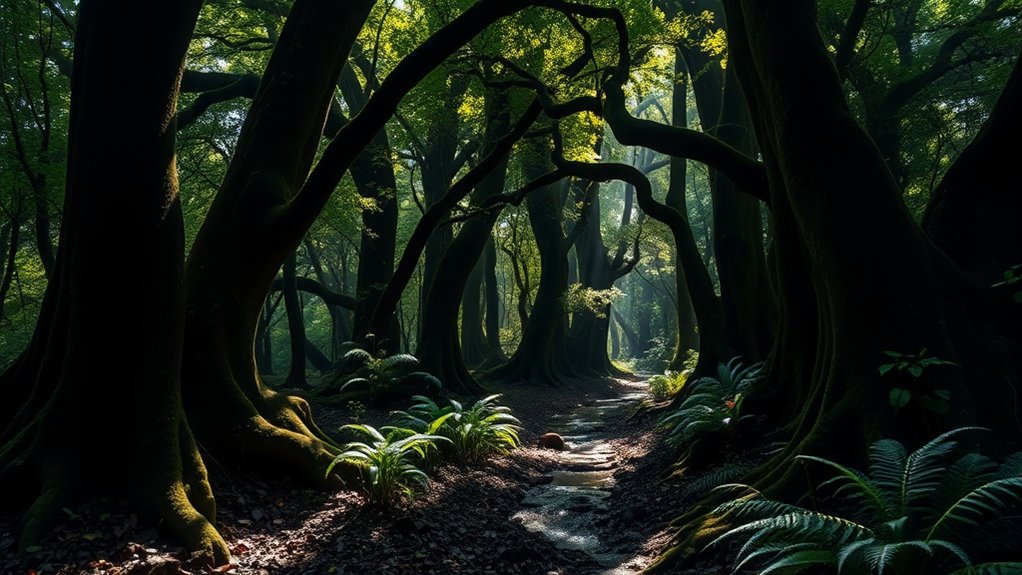
Although Mumbai bustles with urban energy, the Andharban Trek offers you a revitalizing escape into nature’s serene embrace just a few hours away. When you initiate the Andharban trek, you’ll find yourself surrounded by dense forests, winding trails, and the soothing sounds of chirping birds and rustling leaves. This trek is a perfect blend of adventure and tranquility, giving you a chance to disconnect from city chaos and reconnect with nature. You’ll cross streams, climb gentle slopes, and witness breathtaking views of the Western Ghats. The rich biodiversity and peaceful atmosphere make the Andharban trek a must-do for anyone craving a revitalizing break near Mumbai. It’s not just a trek—it’s an immersive experience that rejuvenates your mind and body. Additionally, understanding natural light during your trek can enhance the beauty of your photographs, capturing the lush greenery and vibrant colors of the forest.
How to Reach the Andharban Trek Starting Point
Anyone planning to commence the Andharban Trek will find that reaching the starting point is straightforward and well-connected. The trek begins near the village of Bhira, nestled in the Sahyadri hills. From Mumbai or Pune, you can catch a train or bus to Mangaon, the nearest major town. Mangaon is about 30 kilometers from Bhira, and local shared jeeps or auto-rickshaws can take you directly to the village. If you’re driving, the route via the Mumbai-Goa highway (NH66) is scenic and well-marked. Once in Bhira, locals can guide you to the exact trek entrance. Arriving early in the morning helps you avoid crowds and enjoy the fresh forest air as you begin your adventure through the lush, mysterious Andharban forest. Additionally, be prepared for challenging conditions that may arise during your trek, ensuring you have the right gear and knowledge to navigate the terrain effectively.
How Difficult Is the Andharban Trek for Beginners?
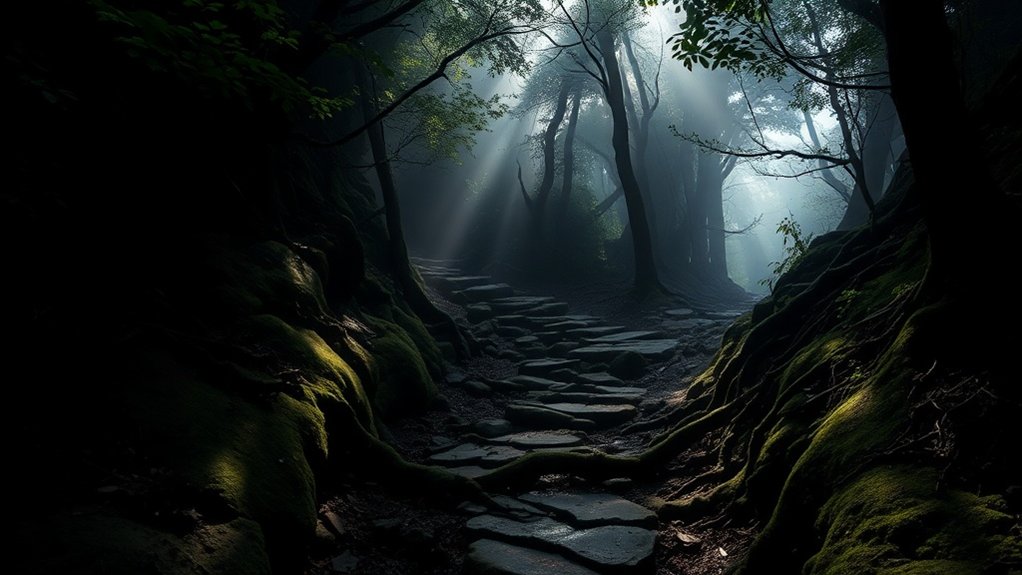
You’ll encounter uneven paths and occasional steep climbs that test your balance and endurance on the Andharban Trek. It’s important to have a moderate level of fitness to comfortably navigate these terrain challenges without fatigue. Preparing your body beforehand will help you fully enjoy the stunning forest surroundings along the way. Additionally, experimenting with lighting techniques can enhance your photography experience as you capture the beauty of the forest.
Terrain Challenges Overview
While the Andharban Trek offers breathtaking views and lush greenery, its terrain presents a mix of challenges that can test beginners. You’ll encounter shifting landscapes that demand focus and adaptability. Here’s what to expect:
- Uneven Paths: Trails vary from smooth dirt tracks to rocky stretches, requiring careful footing to avoid slips.
- Steep Inclines: Some sections climb sharply, making your pace slow but rewarding with scenic overlooks.
- Narrow Passages: At times, you’ll navigate tight forest lanes bordered by dense undergrowth, demanding balance and alertness.
- Wet and Slippery Areas: Seasonal rains turn parts muddy and slick, so sturdy, grippy footwear is a must.
These elements combine to create a trek that’s manageable with caution but never dull—each step immerses you deeper into the forest’s wild charm.
Physical Fitness Requirements
Maneuvering the varied terrain of the Andharban Trek demands more than just careful steps—it calls for a certain level of physical preparedness. If you’re new to trekking, you’ll find this journey moderately challenging but entirely doable with some fitness groundwork. The trek’s uneven paths, occasional steep climbs, and humid climate require endurance, balance, and stamina.
| Fitness Aspect | Requirement | Tips for Beginners |
|---|---|---|
| Cardiovascular | Moderate to High | Start jogging or cycling |
| Strength | Moderate | Include leg and core exercises |
| Flexibility | Basic | Practice stretching daily |
Preparing your body guarantees you enjoy the trek’s beauty without fatigue holding you back. You’ll feel more confident tackling the dark forest’s mysteries!
When Is the Best Time to Visit Andharban?
When should you plan your trek to Andharban to experience its fullest beauty? Timing is essential to enjoy the lush greenery and serene trails without discomfort. Here’s when you should consider visiting:
- Post-Monsoon (September to November): The forest blooms with vibrant foliage, and streams are full, making it the most scenic time.
- Winter (December to February): Cool temperatures offer pleasant trekking conditions, perfect for those who prefer mild weather.
- Early Spring (March to April): The forest starts to awaken with fresh blooms, though temperatures begin to rise.
- Avoid Monsoon Peak (June to August): Heavy rains make trails slippery and risky, obscuring the forest’s charm.
Choosing the right time to visit can greatly enhance your photography experience by providing optimal lighting conditions to capture the forest’s beauty.
Choose your timing wisely to immerse yourself fully in Andharban’s mystic, verdant allure.
What to Expect: Trail Conditions and Scenery on the Andharban Trek

As you step onto the Andharban trail, you’ll find yourself surrounded by dense forests that shift from deep emerald hues to bursts of colorful wildflowers. The path winds through thick foliage, with occasional rocky patches and muddy stretches, especially after rain. You’ll navigate gentle slopes and some steep ascents, making the trek moderately challenging but rewarding. The air is cool and fragrant with damp earth and pine, while sunlight filters through the canopy, creating dappled patterns on the ground. Along the way, you’ll encounter small streams and wooden bridges, adding to the forest’s charm. Keep your eyes peeled for butterflies, birds, and monkeys that animate the scenery. Overall, the trail offers a rich sensory experience blending nature’s beauty with a touch of adventure, all while showcasing the importance of lighting techniques in capturing the essence of such vibrant landscapes.
What Gear and Supplies to Pack for the Andharban Trek
Because the Andharban Trek traverses dense forests and varied terrain, packing the right gear is essential to stay comfortable and safe. You’ll need to prepare for humidity, slippery paths, and sudden weather shifts. Start with:
Navigating Andharban’s dense forests and varied terrain demands careful gear to stay safe and comfortable.
- Sturdy waterproof hiking shoes — to grip slippery rocks and muddy trails.
- Lightweight, moisture-wicking clothing — to stay dry and comfortable in the humid forest.
- A reliable rain jacket — the forest’s microclimate can surprise you with sudden showers.
- A daypack with essentials — pack water, snacks, a first aid kit, and a flashlight for dim forest stretches.
Also, carry insect repellent and a hat to protect against bugs and sun. Choose gear that balances durability with lightness, so you move freely while immersed in Andharban’s lush, mysterious beauty. Understanding exposure and camera settings can also help you capture the stunning landscapes you’ll encounter.
Tips to Stay Safe on Your Andharban Trek
Although the Andharban Trek offers breathtaking scenery and thrilling adventure, you’ll need to stay alert and prepared to navigate its challenging trails safely. Always stick to marked paths to avoid getting lost in the dense forest. Keep a steady pace, especially on slippery or uneven terrain, and watch your footing near streams or steep slopes. Carry a fully charged phone and share your route with someone trusted. Hydrate often and take breaks to prevent exhaustion. Be mindful of wildlife; avoid sudden movements and loud noises. If rain starts, seek shelter promptly, as trails can become hazardous. Finally, trust your instincts—if a path feels unsafe, turn back. Staying cautious guarantees your experience remains as magical as the forest itself. Additionally, familiarize yourself with wildlife behavior to enhance your safety while trekking.
Where to Find Local Guides and Trekking Groups for Andharban
You can connect with experienced local guides through trusted contacts in nearby villages or online trekking forums. Several popular trekking groups organize regular trips to Andharban, offering both safety and camaraderie. When booking, make certain to confirm credentials and read reviews to guarantee a smooth, enjoyable adventure. Additionally, engaging in networking with professionals can enhance your experience and provide valuable insights about the trek.
Local Guide Contacts
When planning your Andharban trek, connecting with local guides can transform your experience by revealing hidden trails and sharing insights into the region’s rich flora and fauna. To find trusted local contacts, start with these resources:
- Village Tourism Centers – Visit nearby villages like Murbad, where community-run centers offer guide referrals.
- Local Guesthouses – Stay at guesthouses in the region; owners often recommend experienced guides.
- Online Forums and Social Media – Platforms like trekking Facebook groups or travel forums feature up-to-date contact info.
- Trekking Equipment Shops – Shops in nearby towns sometimes post contact cards of reliable guides who specialize in Andharban.
Using these sources, you’ll connect with knowledgeable guides to deepen your trek and navigate safely through the enchanting dark forest.
Popular Trekking Groups
Several trekking groups specialize in Andharban, offering guided adventures that blend safety with deep local knowledge. When you join these groups, you gain access to experienced guides who know every trail, hidden waterfall, and wildlife spot. Popular options include local outfitters based in Pune or Mumbai, where you can find groups that focus on small, personalized treks. These groups often provide gear, meals, and expert advice on maneuvering the dense forest paths. You’ll also meet fellow trekkers who share your passion for nature and discovery. Many groups maintain active social media pages or websites, making it easy to connect and learn about upcoming treks. Choosing a reputable group guarantees your trek is immersive, well-organized, and respectful of the environment you’re exploring.
Booking Tips and Advice
Connecting with the right local guides and trekking groups can make all the difference in your Andharban experience. They provide not only safety but also rich insights into the forest’s secrets. To guarantee the best guide or group, consider these booking tips:
- Research Online – Check forums and travel websites for reviews and recommendations.
- Visit Local Tourist Offices – They often have contacts for certified guides familiar with Andharban.
- Ask for Referrals – Connect with previous trekkers via social media for trusted guide suggestions.
- Confirm Experience and Permits – Verify your guide knows the terrain well and holds necessary permits for forest entry.
How to Capture the Best Photos on the Andharban Trek
How can you truly capture the magic of the Andharban Trek through your lens? Focus on the unique play of light and shadow beneath the dense canopy. Early mornings and late afternoons offer soft, diffused light perfect for highlighting the forest’s mysterious ambiance. Don’t forget to frame your shots with natural elements like winding trails or dripping leaves to add depth. Use a tripod for steady shots in low light and a wide-angle lens to capture expansive forest scenes. Embrace ambient light characteristics to effectively utilize the forest’s natural lighting.
| Time of Day | Lighting Tip | Subject Focus |
|---|---|---|
| Morning | Soft, golden light | Dew-covered leaves |
| Afternoon | Warm, directional | Tree trunks & paths |
| Evening | Low light, use tripod | Silhouettes & shadows |
Master these tips to bring the dark forest’s beauty alive in your photos.
Frequently Asked Questions
Are There Any Entry Fees or Permits Required for the Andharban Trek?
You don’t need to pay any entry fees or get permits for the Andharban trek. Just pack your essentials, respect nature, and enjoy the pristine forest trails without worrying about permissions or charges.
What Wildlife Might I Encounter During the Andharban Trek?
You’ll likely spot colorful kingfishers, barking deer, and maybe even a leopard if you’re lucky—remember, “the early bird catches the worm.” Keep your eyes peeled and ears sharp to fully experience the forest’s vibrant wildlife.
Are There Restroom Facilities Along the Andharban Trek Route?
You won’t find formal restroom facilities along the trek, so be prepared to use nature’s offerings discreetly. Carry toilet paper and a small bag to pack out waste, respecting the pristine environment throughout your adventure.
Can Children or Elderly People Comfortably Complete the Andharban Trek?
If you think the trek’s gentle slopes will lull you, think again. Children and elderly can attempt it, but you’ll need frequent breaks, good fitness, and careful pacing to enjoy the dark forest without strain or risk.
Is Camping Allowed Anywhere on the Andharban Trek Trail?
You can’t camp just anywhere along the trail, as it’s a protected forest area. However, designated spots near the start or end allow camping. Always check local regulations and respect nature to keep the forest pristine.


