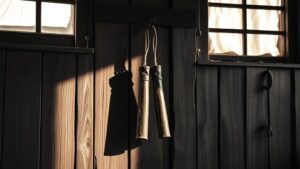
Interior photography is often perceived as a game of lighting, composition, and camera settings. While those factors are critical, professionals understand that the true foundation of a compelling image lies in the surfaces within the frame—especially the walls. They are not just a backdrop; they shape how light behaves, how depth is perceived, and how the entire space is experienced through the lens. That’s why designers and photographers frequently collaborate with teams specializing in professional wallcovering services in Denver homes to create interiors that translate beautifully on camera, not just in person.
Why Walls Dominate the Frame
In most interior shots, walls occupy the largest visual area. Whether consciously or not, the viewer’s eye reads the wall first—it defines the tone, contrast, and atmosphere of the image. Walls act like a backdrop in every shot. Even when they are not the main focus, they influence how everything else appears. Colors bounce off them. Light reflects across them. Shadows either soften or become harsh depending on the finish.
A poorly finished wall introduces subtle imperfections:
- uneven texture
- inconsistent color reflection
- visible seams or patchwork
These flaws might be barely noticeable in real life but become highly pronounced under controlled lighting and high-resolution photography.
Conversely, a well-executed wall finish provides:
- a clean visual field
- consistent light diffusion
- a professional, polished background
This is what separates an average interior photo from a magazine-quality image.
Texture vs. Flat Surfaces: What the Camera Sees
One of the biggest misconceptions is that smooth walls are always better for photography. In reality, texture, when done correctly, adds depth and visual interest.
Flat painted walls
- reflect light evenly
- can appear sterile or flat in photos
- often require styling to compensate
Wallcoverings and textured finishes
- create micro-shadows that add dimension
- interact dynamically with directional lighting
- enhance realism and richness in the image
High-end wallpapers, fabric-backed vinyls, and decorative plasters introduce subtle variations that the camera picks up beautifully. However, this only works when installation is precise—misaligned patterns or surface irregularities become immediately visible.
A lightly textured wallpaper can give a room character without overwhelming the frame. It adds just enough detail to keep the background from feeling flat. On the flip side, heavy or uneven textures can cast tiny shadows that show up more clearly in photos than in real life.
How Light Interacts with Wall Surfaces
Lighting is only as good as the surface it touches.
Different wall finishes respond differently:
- Matte surfaces absorb light → softer, more diffused look
- Satin or semi-gloss finishes reflect light → brighter but risk glare
- Textured wallcoverings scatter light → balanced depth and softness
Professional photographers often adjust lighting setups based on wall materials. A poorly prepared wall can create:
- hotspots
- uneven reflections
- distracting shadows
While a properly finished surface allows light to behave predictably—making the photographer’s job significantly easier.
Color Accuracy and Depth Perception
Walls also play a critical role in color balance.
In photography:
- warm tones can make a space feel inviting but may shift white balance
- cool tones can feel clean but risk appearing sterile
- overly saturated walls can dominate the frame
Well-chosen wallcoverings help control this by:
- softening color transitions
- adding layered tones instead of flat color blocks
- enhancing depth without overwhelming the subject
This is especially important in real estate photography and design portfolios, where accurate yet appealing representation is key.
The Hidden Problem: Imperfections the Camera Amplifies
Modern cameras are brutally honest.
High-resolution sensors capture:
- seams in wallpaper
- minor bubbles or lifting edges
- inconsistencies in wall preparation
- surface waviness
What looks “fine” to the naked eye can become a major flaw in a photograph.
This is why professionals treat wall preparation as a technical process, not just a finishing step:
- smoothing and leveling
- proper priming
- precise alignment of materials
Without this, even premium materials will fail visually on camera.
Why Professionals Prioritize Wallcoverings
In high-end interiors, walls are not an afterthought—they are a design tool.
Well-executed wallcoverings:
- frame the space
- guide the viewer’s eye
- enhance lighting conditions
- elevate perceived quality
For photographers, this means:
- less post-processing
- more consistent results
- stronger portfolio images
For homeowners and designers, it means the space not only looks good in person—but also photographs at a professional level.
Final Thoughts
Interior photography is not just about capturing a space, it’s about translating it into an image that feels complete, balanced, and intentional. Walls play a central role in that translation.
When surfaces are thoughtfully designed and professionally executed, they:
- support lighting
- enhance depth
- eliminate distractions
- elevate the entire visual outcome
In the end, the difference between an average interior photo and a striking one often comes down to something most people overlook: the walls behind everything.
Whether it is a smooth matte paint or a carefully installed wallpaper, the right choice can make a room feel balanced and inviting on camera. And when done with care and attention, often with the help of professional wallcovering services, the results speak for themselves without needing to draw attention.